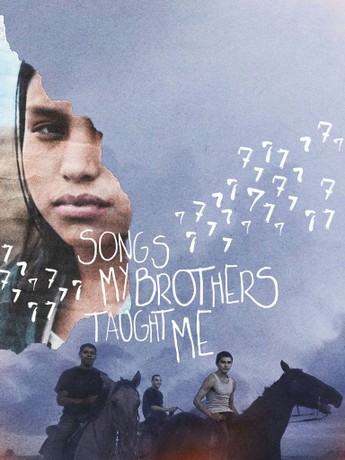
The most recent film to render me a complete mess. Chloé Zhao’s debut follows the lives of Johnny and his younger sister Jashuan living in Pine Ridge Indian Reservation in South Dakota, following the loss of their father and in the context of Johnny’s planned departure to LA. The film, with a cast of amateurs and locals of Pine Ridge, traces the complex and destructive role of alcohol in the reservation overlaid with strenuous family and community dynamics. It offers a very tender look at siblinghood, family, and obligation. Wonderful.
Songs My Brothers Taught Me
Film by Chloé Zhao, 2015
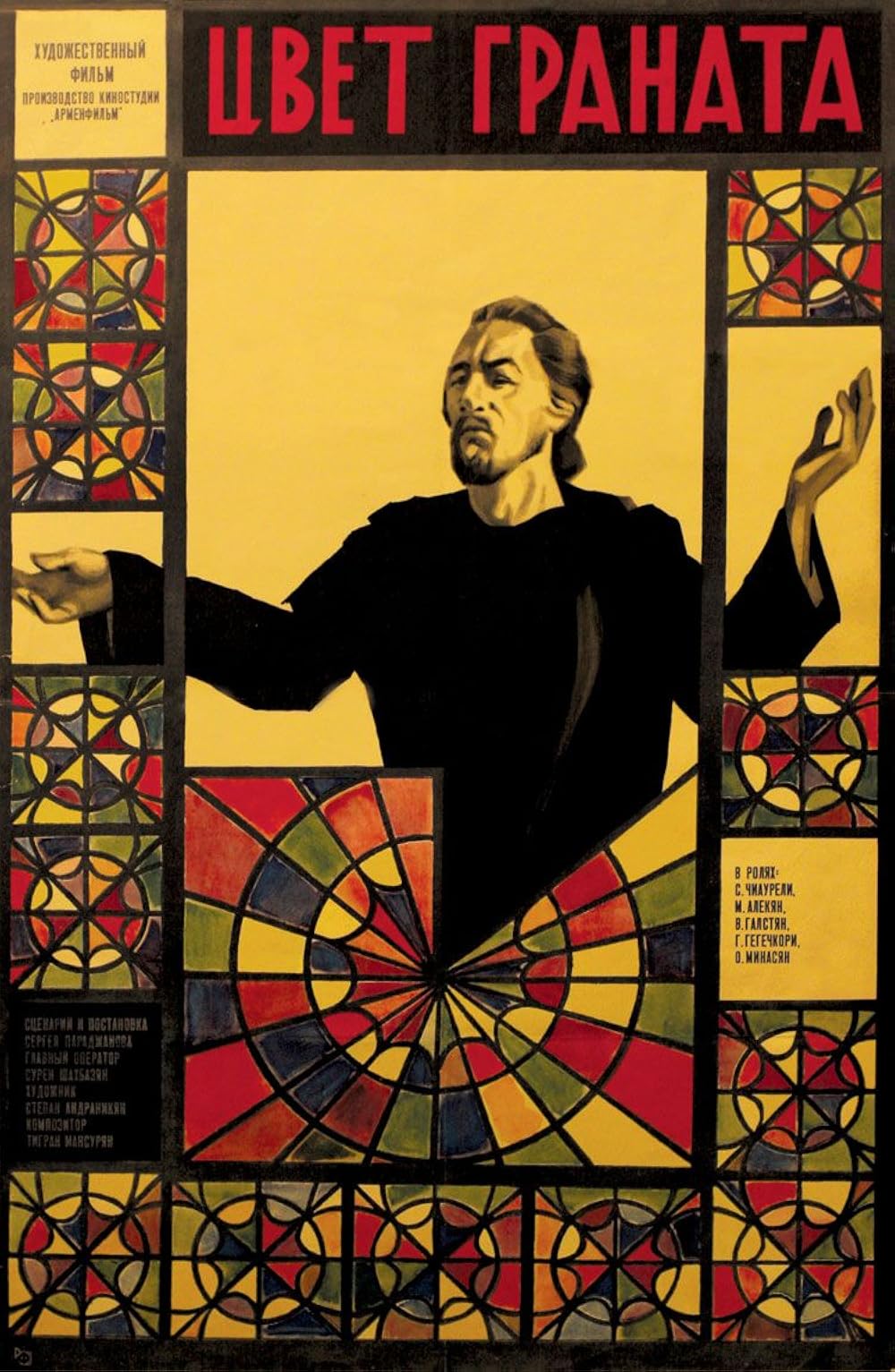
The Color of Pomegranates
Film by Sergei Parajanov, 1969
I’ve never seen any other film quite as visually stunning as this one. You can follow the metaphorically biographic story if you concentrate really intensely, or you can simply (and with far less effort) sit back and be mesmerised by its incomparable beauty. It is a poem about the life of Armenian poet Sayat-Nova, told as a series of largely self-subsistent scenes (chapters) populated with traditional Armenian textile, music, scenery, religion, and colour. Remarkable and true avant-garde cinema.
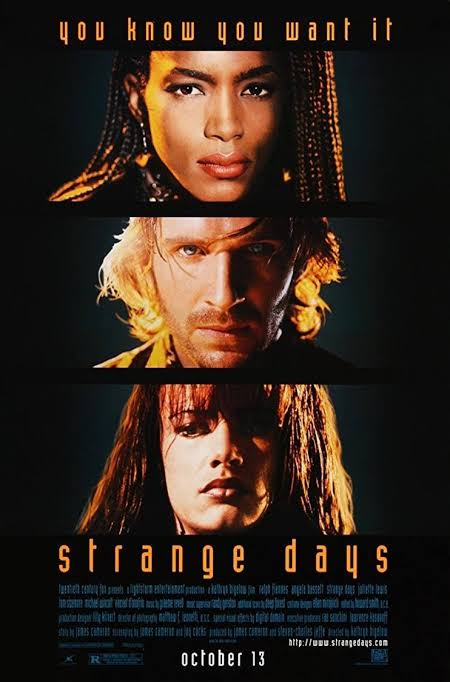
Strange Days
Film by Kathryn Bigelow, 1995
A Y2K sci-fi crime thriller about an ex-cop who investigates a crime. Memories can be recorded from brain to disc and are sold on the black market for the voyeurism of the price-payer. One particular traded memory is of an especially heinous crime, which Lenny (the ex-cop) investigates. A very disturbing but completely enthralling picture. It’s a dark and grungy essay on arousal, voyeurism, power, and technology, and although its Y2K theming is rather dated by today’s standards, it’s still a total thriller.
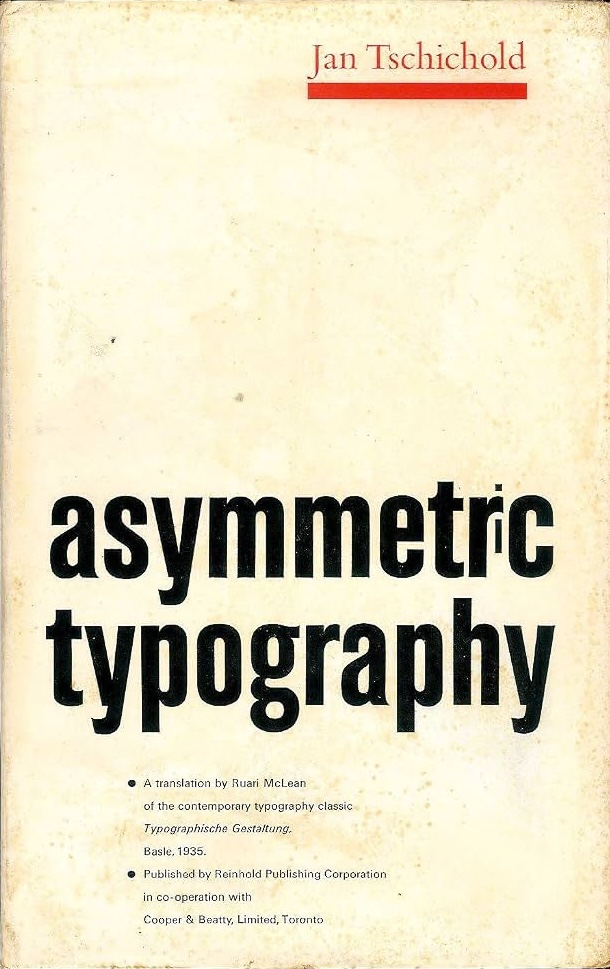
Asymmetric Typography
Book by Jan Tschichold, 1936
For a book on design it leans very heavily on prose. But it is so illuminating on the graphics it does include. A truly wonderful essay on the use of space, proportion, and weight in design; geared towards the emerging mediums of type in the 1930s, such as art posters, magazines, and business cards, the focus is on modernist principles. But so much of the wisdom contained therein applies to designing space in a very abstract sense, and that is why I like it.
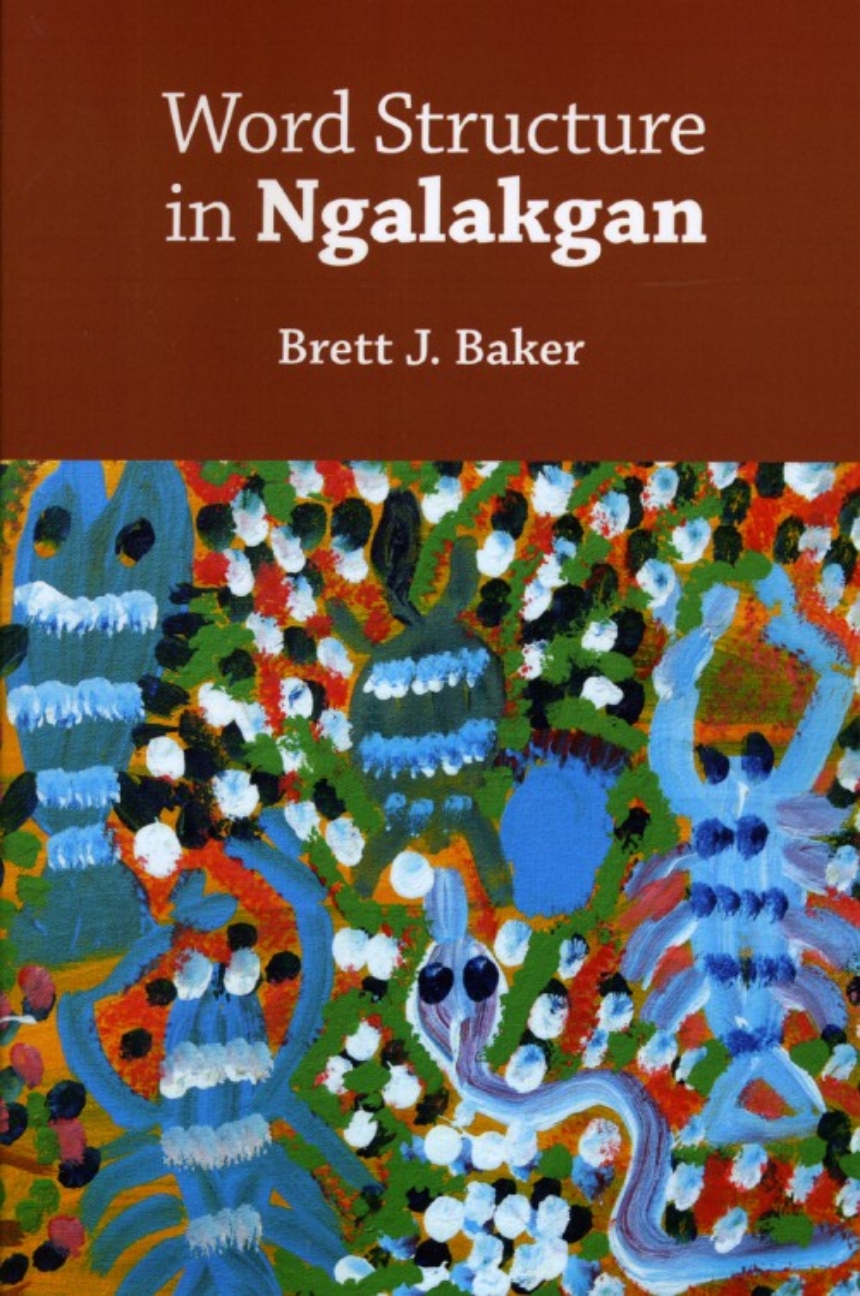
Word Structure in Ngalakgan
Monograph by Brett Baker, 2008
I might be a little biased about this one, but it really is a thoroughly enjoyable exploration of the morphology and phonology of a very complex Australian language. I must say I don’t agree with all of the analyses, and the theoretical framework in which it is written is outdated, but the argumentation is exemplary and the phenomena it tackles are of enduring intrigue.
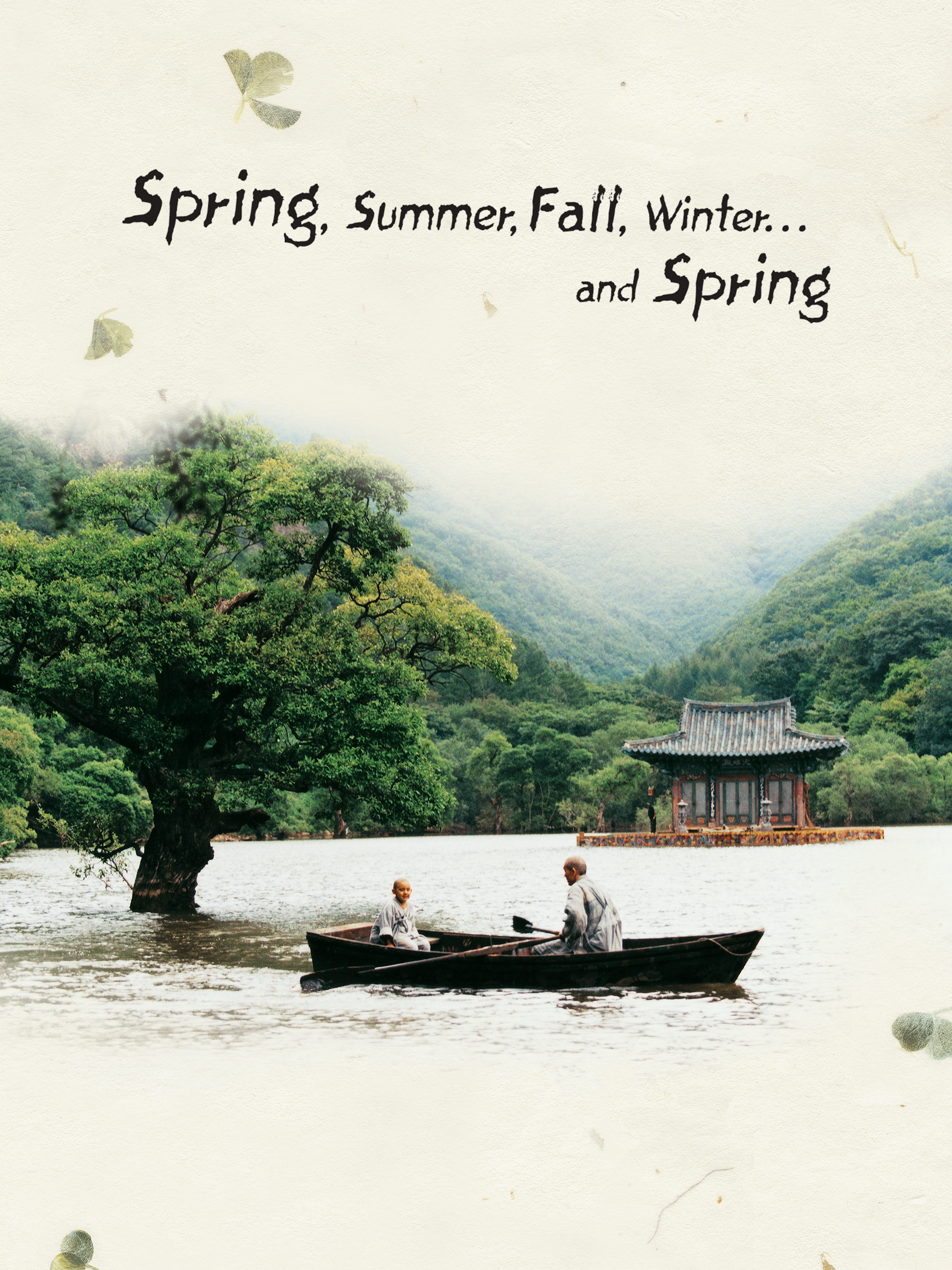
Spring, Summer, Fall, Winter... and Spring
Film by Kim Ki-duk, 2003
A Korean masterpiece; a profound and breathtaking exposition of Buddhism and the Cycle. It is rich with dense but subtle symbology on various strata, reminding us that we are not exempt (however much we may wish) from the justifying forces of nature and the seasons through which we live. I could never not recommend this film.
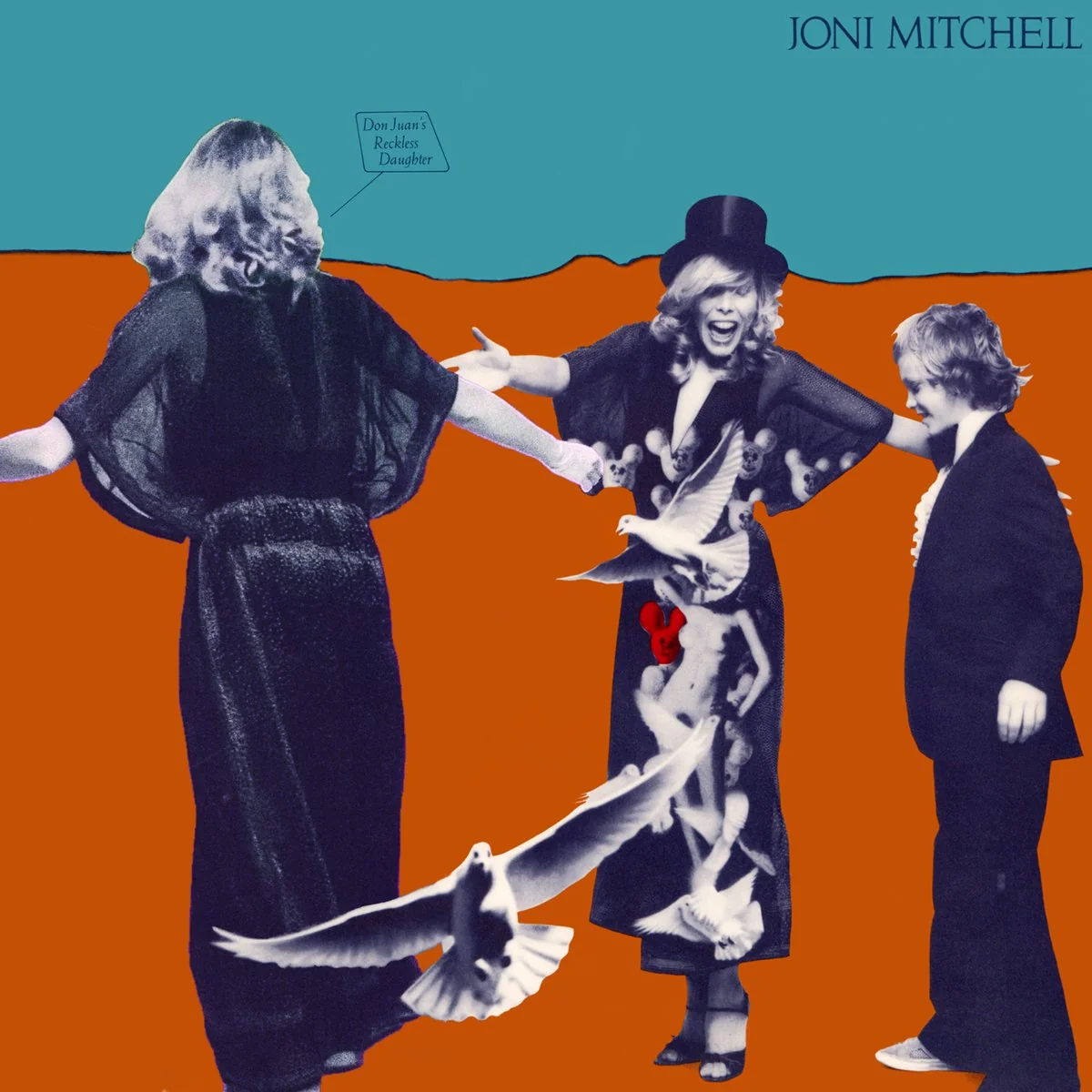
Don Juan’s Reckless Daughter
Album by Joni Mitchell, 1977
This is by far the best Joni Mitchell album, because of not only the sophisticated and eclectic set list but the image it so confidently paints, which is of a lover’s journey through a very disorienting American desert. This album is not necessarily ear-pleasing in the same way as her popular ones (Hejira, Blue), in that it firmly rejects genre boundaries and instead pursues more mature musical and thematic adventures than her previous works. But I think that’s exactly why I’m drawn to it. A companion album worth checking out is the largely-neglected The Hissing of Summer Lawns, released a few years prior.
Favourite songs: Cotton Avenue, and The Tenth World.
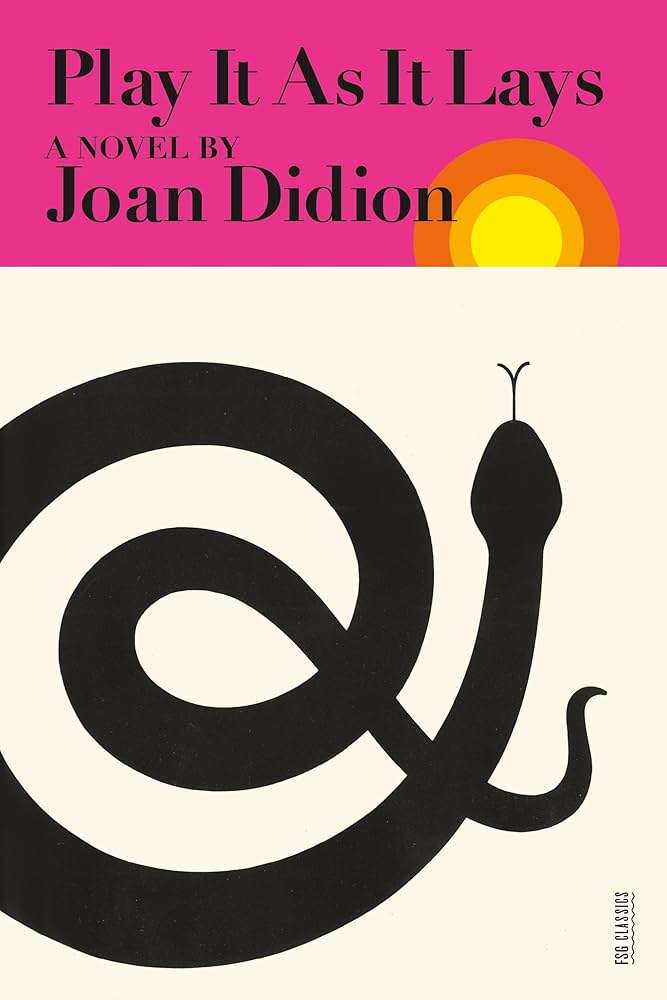
Play It as It Lays
Book by Joan Didion, 1970
I like the way it’s put on the back of my copy: “She writes with a razor”. On my reading that’s certainly true. It is a bloody, but subdued, vivisection of 20th century American culture, acted through the lives of its stars whose pursuit of stardom and its vanity is irreversibly corrosive.
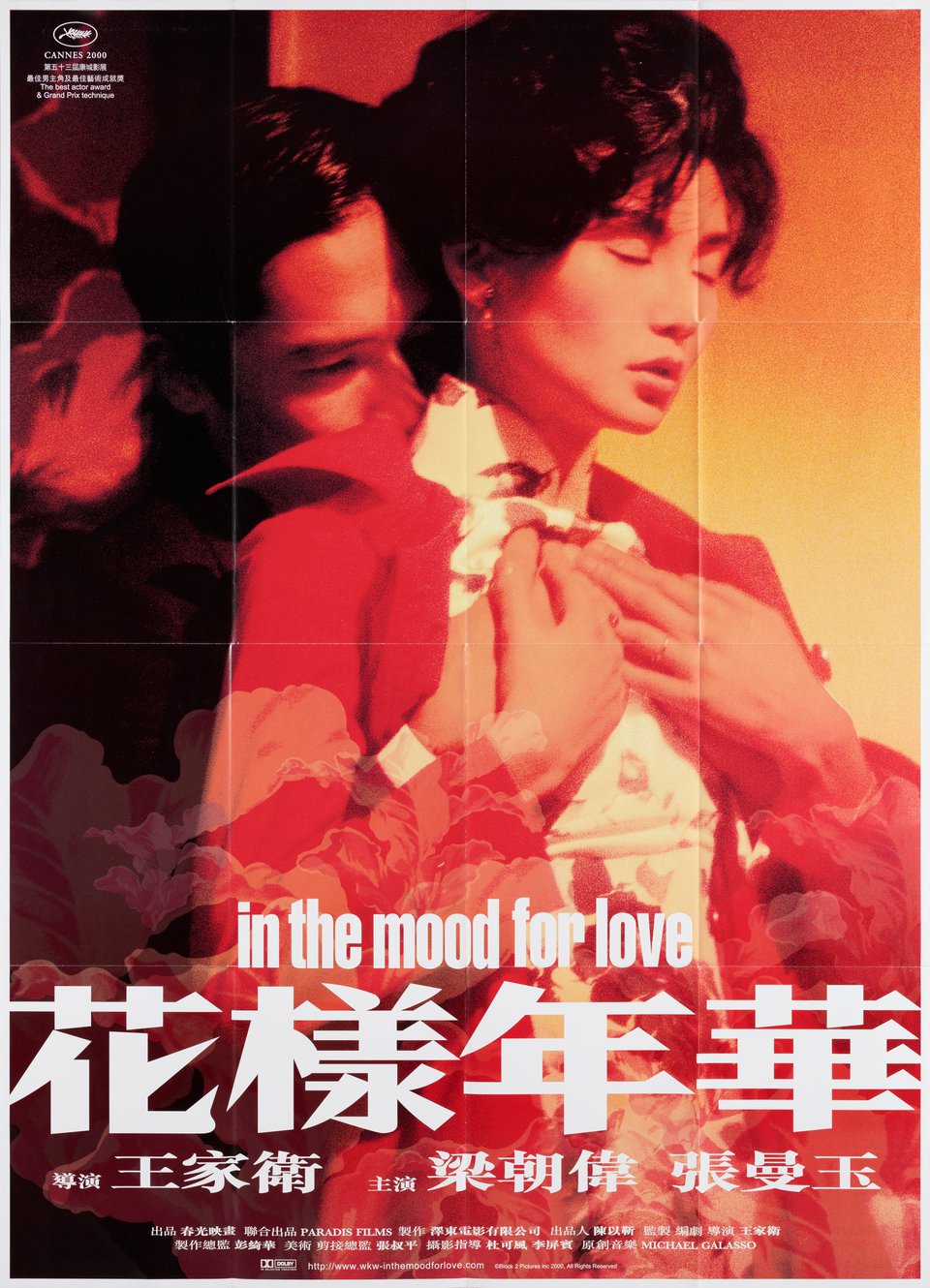
In the Mood for Love
Film by Wong Kar-wai, 2000
Well, what is there to say that has not elsewhere been said? A film of truly exceptional (motivic and visual) beauty, it captures so perfectly the tension, confusion, suppression, and painful longing of mis-fortunate love. Performances by Maggie Cheung and Tony Leung must rank amongst the best ever, owing of course much to the incredible screenplay which would be a favourite book of mine were it sold in that format. Each time I watch this movie I notice new things that ultimately deepen the characters and make their portrayal all the more impressive. I would be tempted to pick this for the desert island, although I’m not sure I could withstand a lifetime of heartbreak.
The Quiet Girl
Film by Colm Bairéad, 2022
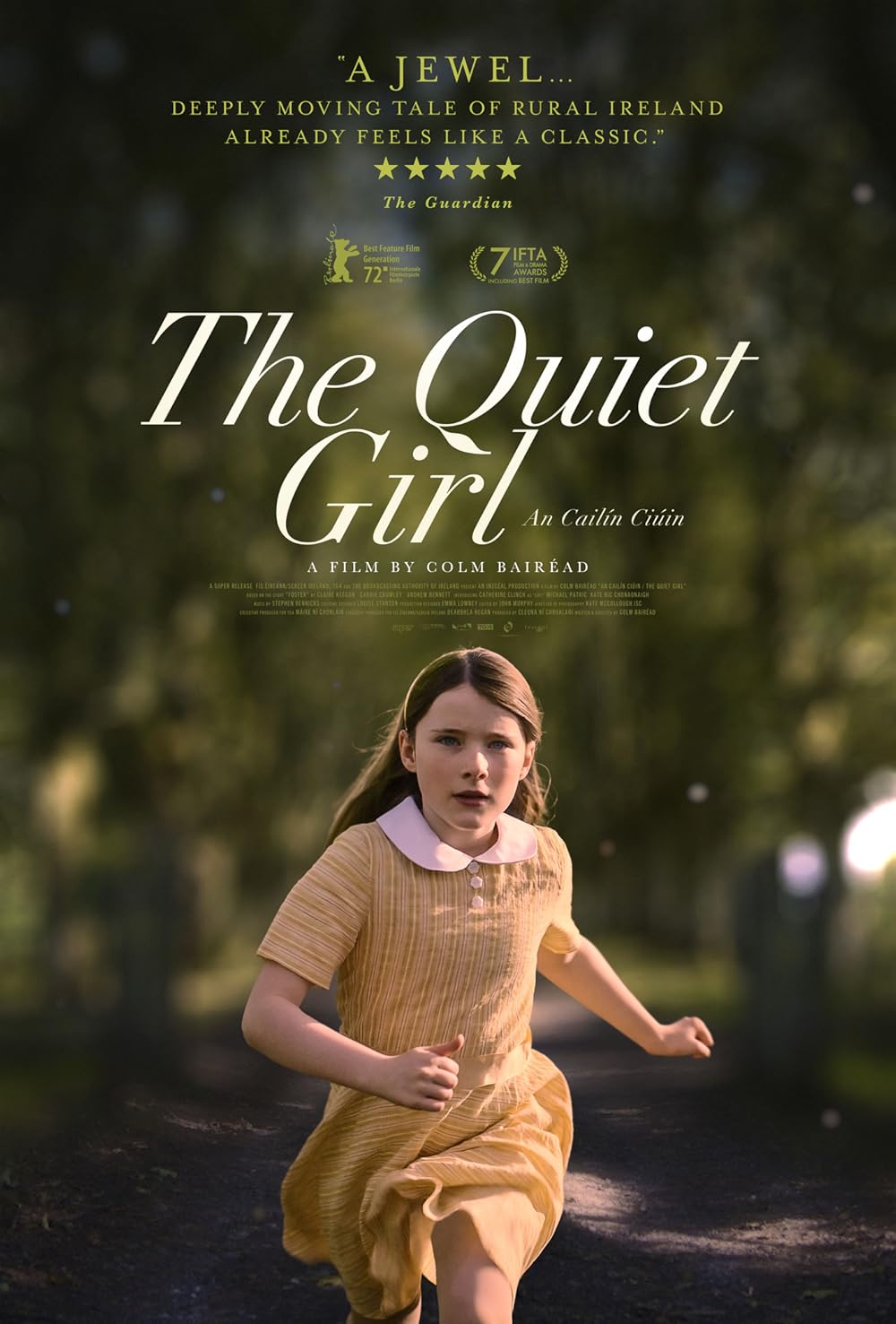
Sweet and touching. A simple movie about choosing family and being seen. I will always recommend this movie. All the dialogue is in Gaeilge (Irish), so it’s lovely to listen to. The acting is really superb.
Past Lives
Film by Celine Song, 2023
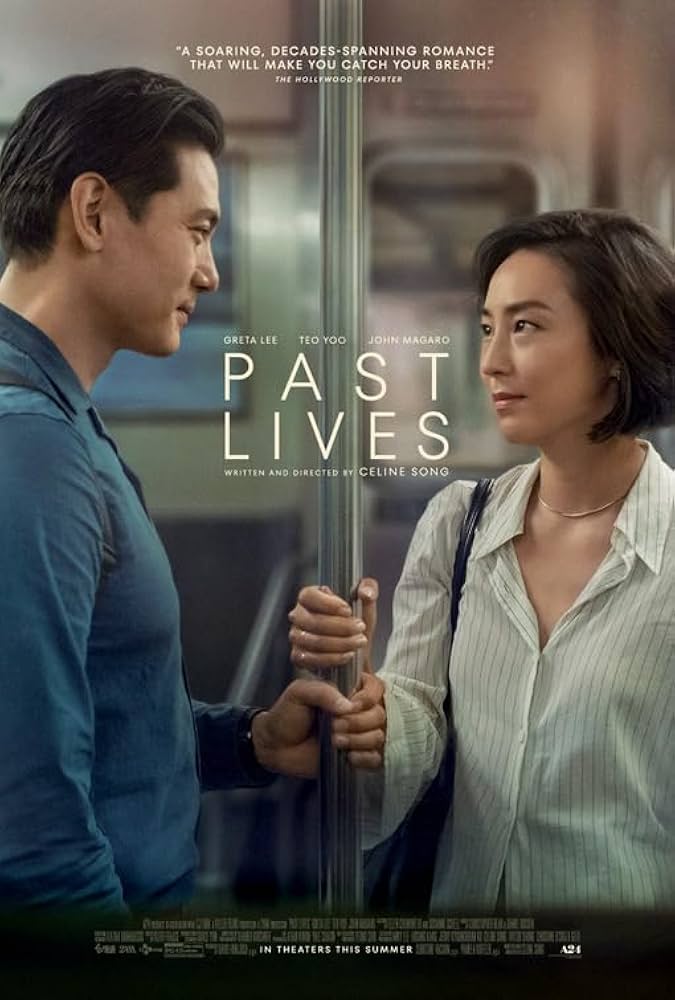
One of the most tragic movies I’ve seen, but I think for unexpected reasons. An honest film about two (or three, I suppose) people whose lives line up at the wrong times; an anti-fairy tale story, perhaps. Past Lives is one of the rarely perfect if-things-had-have-been-otherwise films, because it is so ordinary: childhood friends re-unite briefly, but are separated once more by the time printed on a plane ticket, each of them left wondering what might’ve been. It is anticlimactic and that’s what makes it real, but also what makes it familiar and therefore tragic.
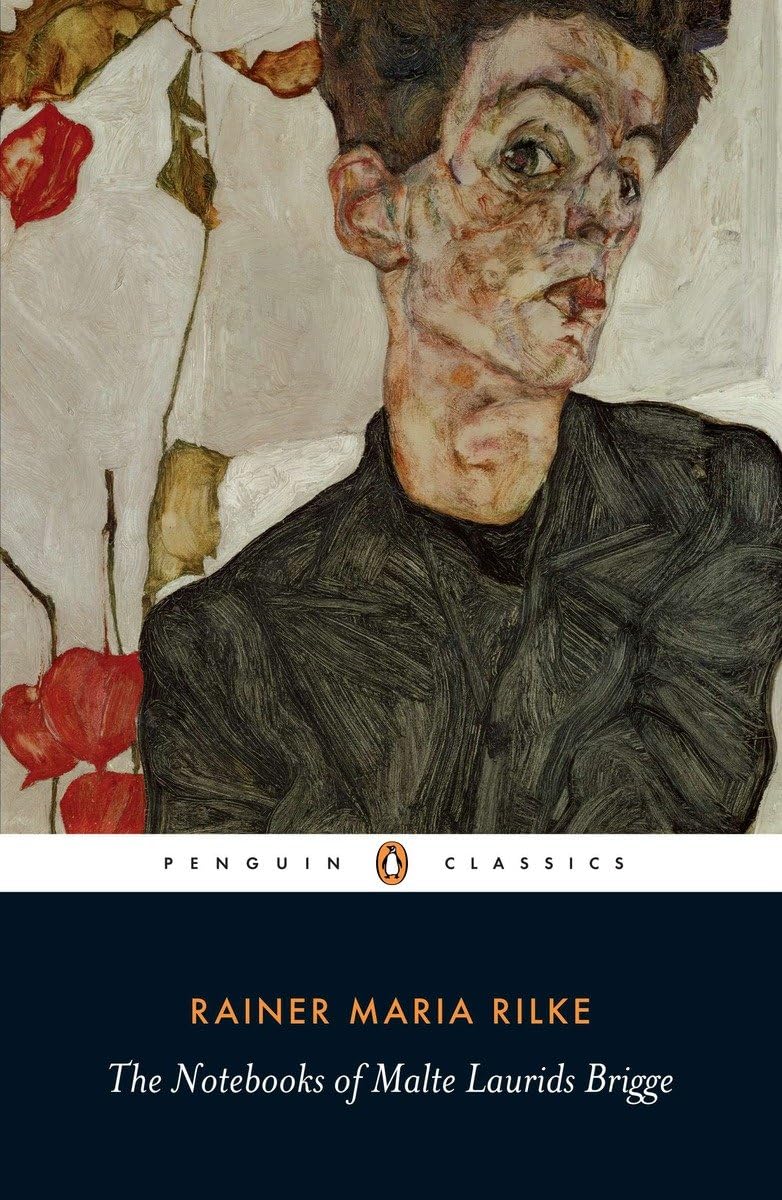
The Notebooks of Malta Laudrids Brigge
Book by Raine Maria Rilke, 1910
Strange, very introspective, and something of an anxious self-portrait: the only novel written by Rilke. It reads somewhat like a series of journal entries, authored by a young man floating around Paris while he makes sense of death and dying in the mysterious people around him. Remarkably vivid, even if a little obscure at times. I have and love the translation by Michael Hulse, though I’ve heard good things about the one by Edward Snow, who is my favourite translator of Rilke’s poetry.
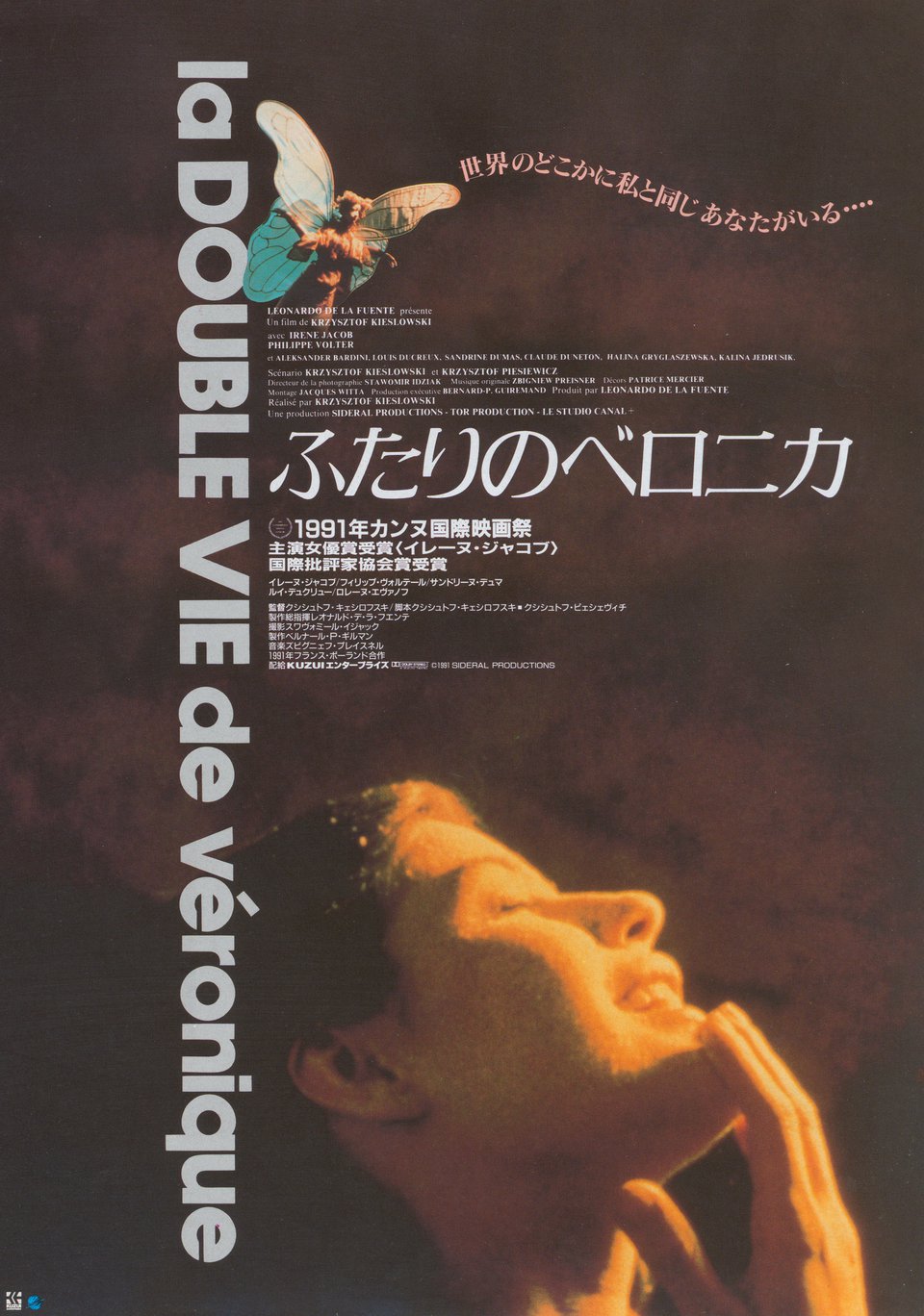
The Double Life of Veronique
Film by Krzysztof Kieślowski, 1991
A very charming movie about fate, love, and identity, one very emblematic of late Kieślowski. Like the must-watch Three Colours trilogy that followed it, Double Life is about people making sense of the coincidences that seem to follow them around, and of the greater, mystical forces that seem to organise their fates. It is an enchanting and characteristic Kieślowskian coincidence-story.
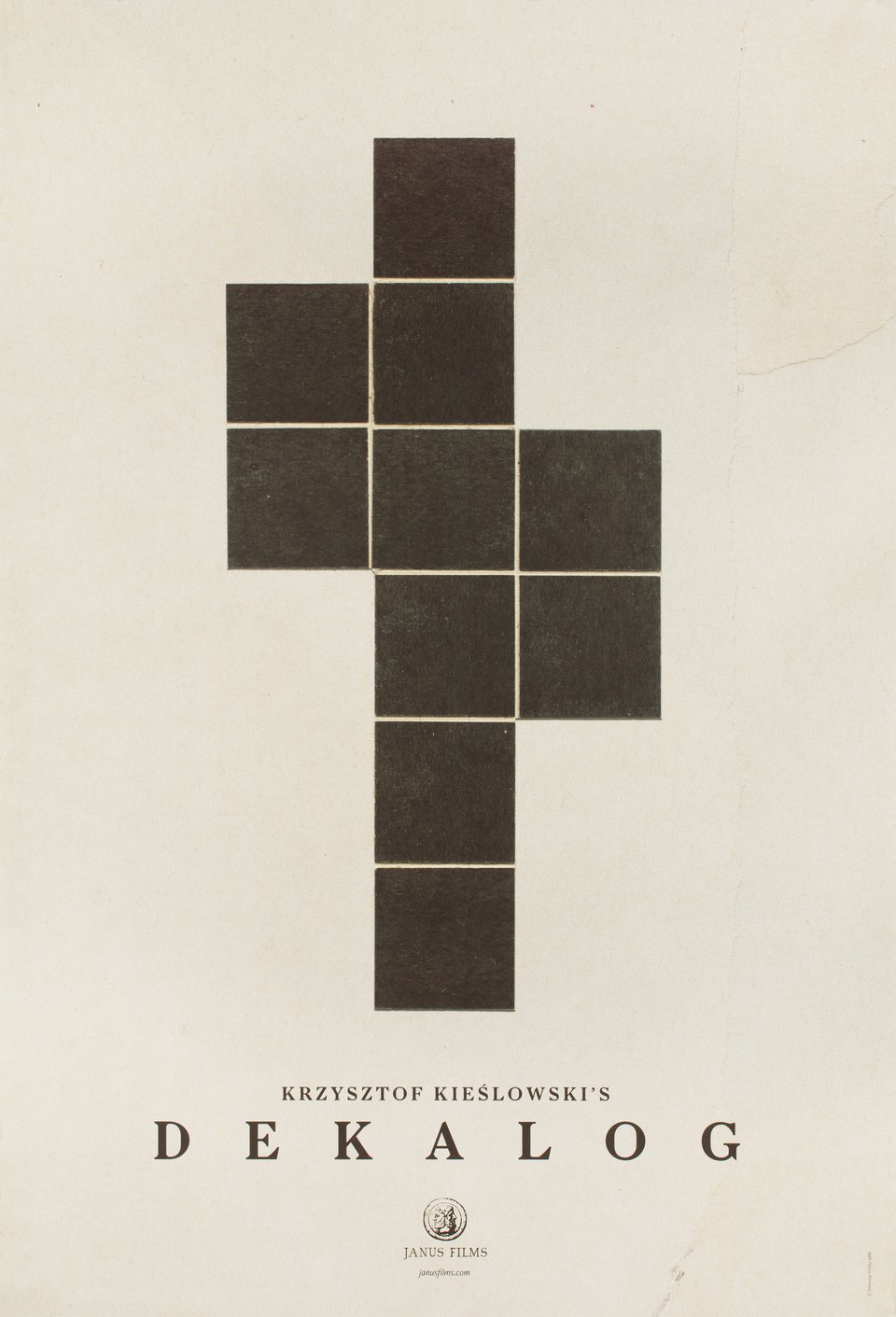
Dekalog
Series by Krzysztof Kieślowski, 1989
Some of the best yet most torturous cinema you will ever watch. This is a Polish series of ten hour-long films that are loosely based on the ten commandments, but in many ways come to constitute their own allegories. Human relationships, morality, consequence, love, despite, ego, fate, uncertainty; Dekalog has everything. Exceptionally written and directed. If I had to recommend only one work from KK, this would be it. Episodes 1 (about God) and 6 (about love) are stand-outs.
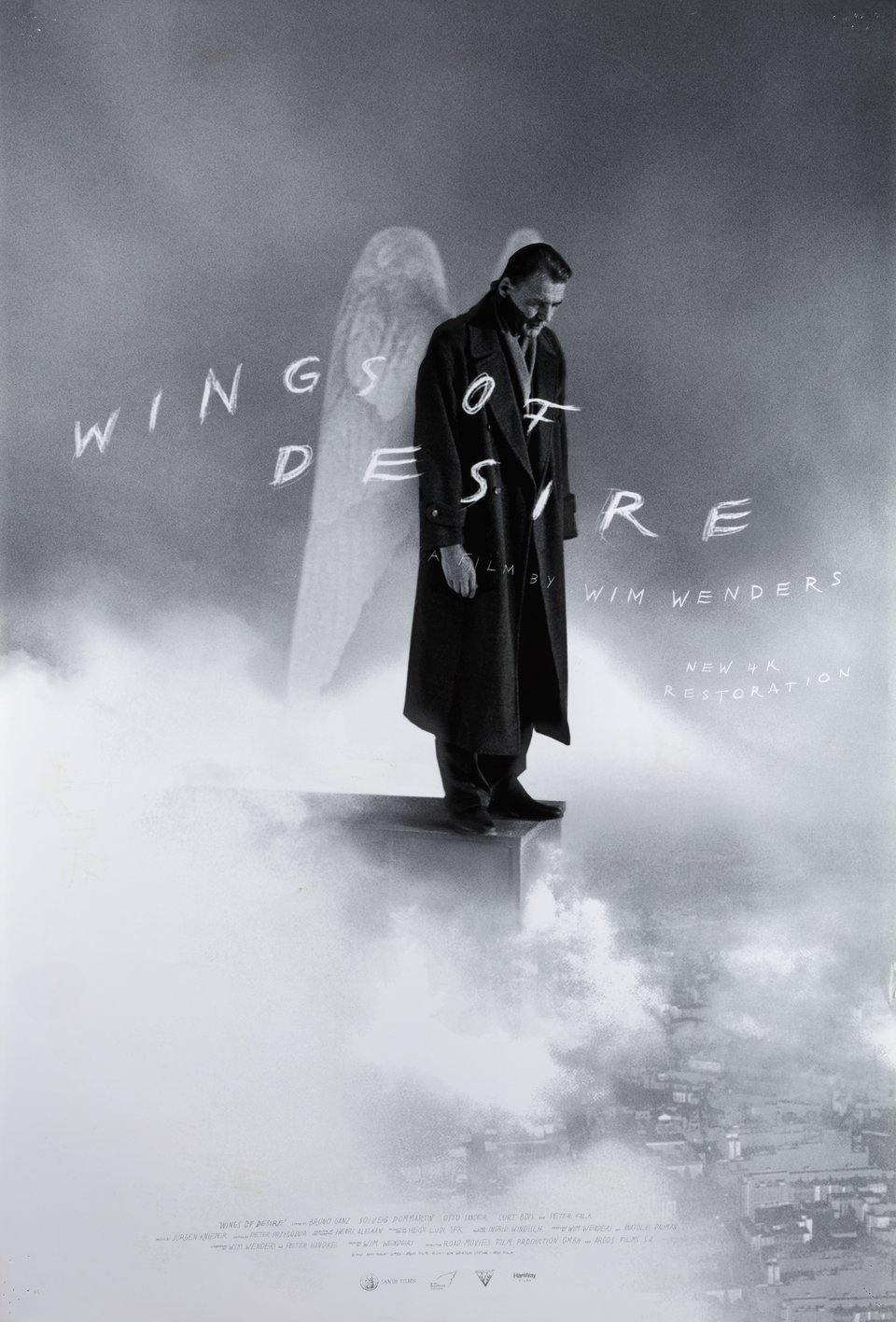
Wings of Desire
Film by Wim Wenders, 1987
This is my favourite movie of all time. A beautiful, somewhat enigmatic film about an angel whose stoic watching-over of people in Berlin develops in him a fascination with their complex and dynamic lives, so that all he desires is to become human and experience for himself what it means to feel. It is a modern fairytale of sorts. The colour/greyscale motif is the best I’ve ever witnessed; it is perfect.
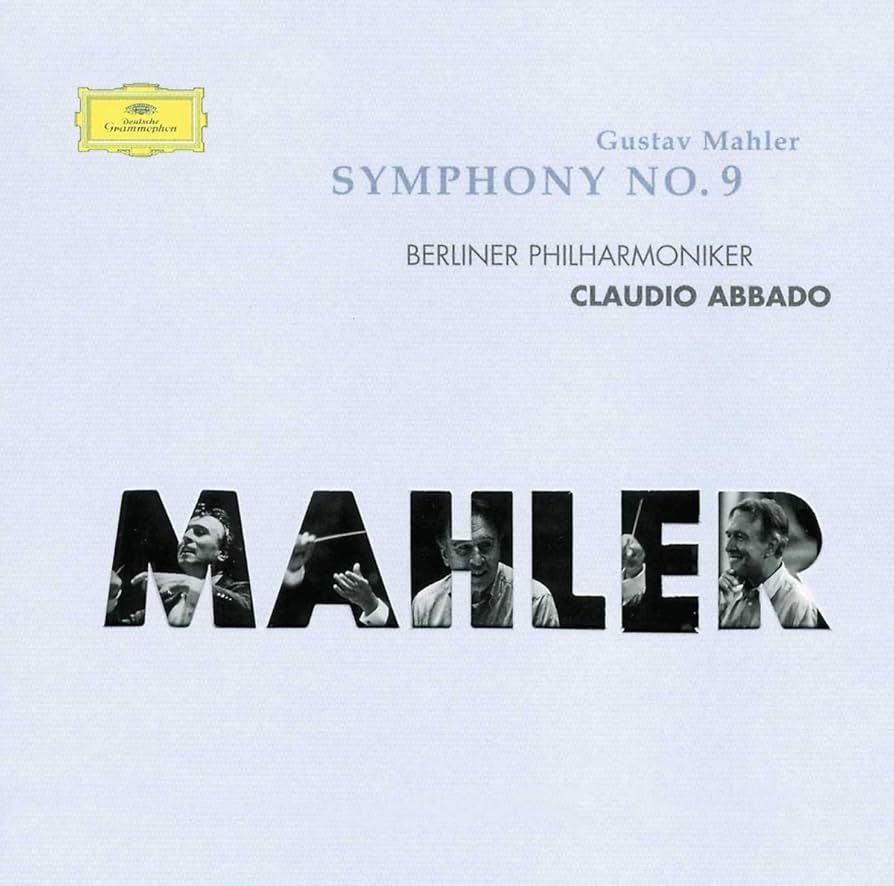
Symphony No. 9
Composition by Gustav Mahler, 1912
Breathtaking. A symphony with everything. I think Berg said it best when he remarked:
The first movement is the most glorious [Mahler] ever wrote. It expresses an extraordinary love of this earth, for Nature; the longing to live on it in peace, to enjoy it completely, to the very heart of one’s being, before death comes, as irresistibly it does.
My favourite recording is Claudio Abbado on DG with the Berlin Philharmonic, recorded live in 1999.
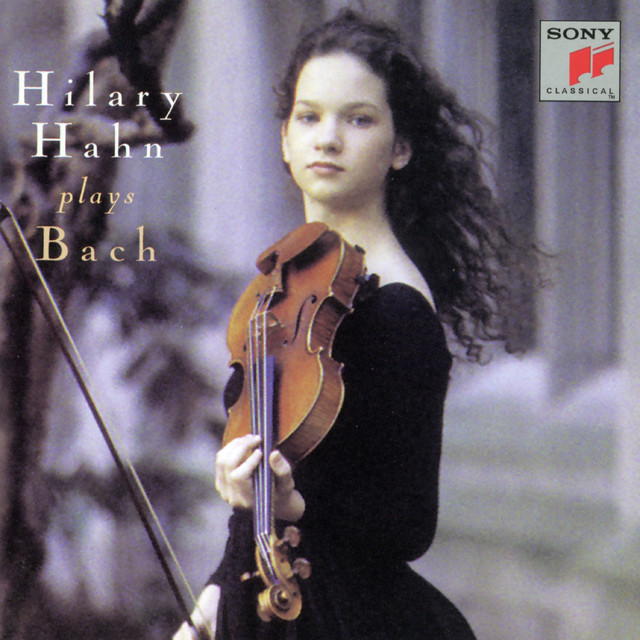
Hilary Hahn Plays Bach
Album by Hilary Hahn (comp. J.S. Bach), 1997
Come for the partita(s), stay for the sonata. One of the classic Bach CDs and a must-have for any Bach fan. I grew up listening to these pieces but played by Josef Suk, whose recordings are great but not as deep as Hahn’s. This set of performances strikes the perfect balance between precise and sensitive, doing only the most correct justice to the original compositions. I have listened to a lot of Bach, but this is one of the few recordings I simply cannot do without. (The companion to this album, released in 2018, is also excellent.)
Favourite piece: Violin Sonata No. 3 in C Major.
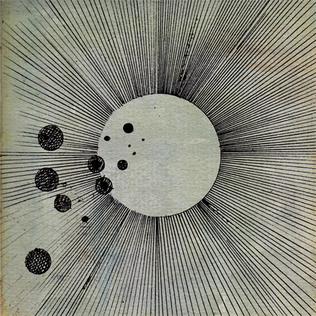
Cosmogramma
Album by Flying Lotus, 2010
FlyLo’s best album. Very psychedelic, very electronic, and very influential on me during my time as an electronic musician. Simply fantastic production, with an (over)abundance of textural and timbral diversity. The album is like an exploration into space and the after-life, but as a fusion of dance, jazz, Stockhausen-esque electronic, and soundscape. Minimalists, be warned!
Favourite song: German Haircut.
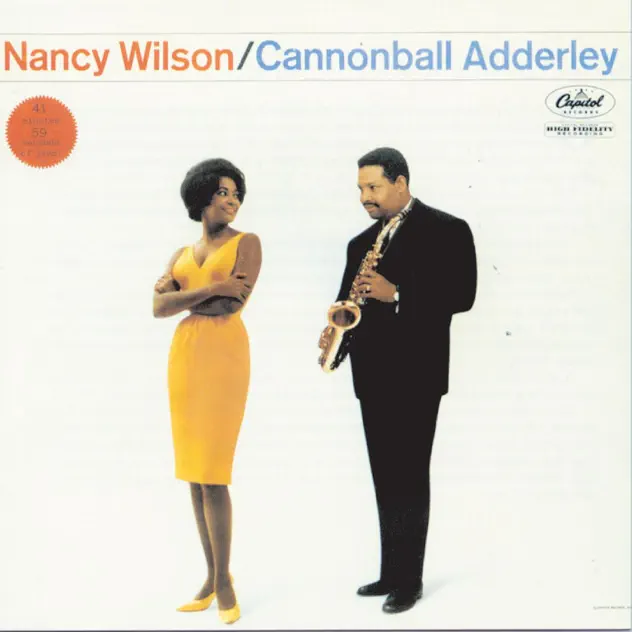
Nancy Wilson/Cannonball Adderley
Album by Nancy Wilson and Cannonball Adderley, 1962
It doesn’t really get much better than this, and by ’this’ I mean straight-ahead vocal jazz. Nancy Wilson offers what should be considered the definitive vocal recordings of these tunes. An incredible voice, and even more incredible that she was only 24 at the time of recording. Credit also goes to the band, who not only maturely support Wilson on the first half of the album but go off on the instrumental tracks on the second.
Favourite song: Save Your Love for Me.
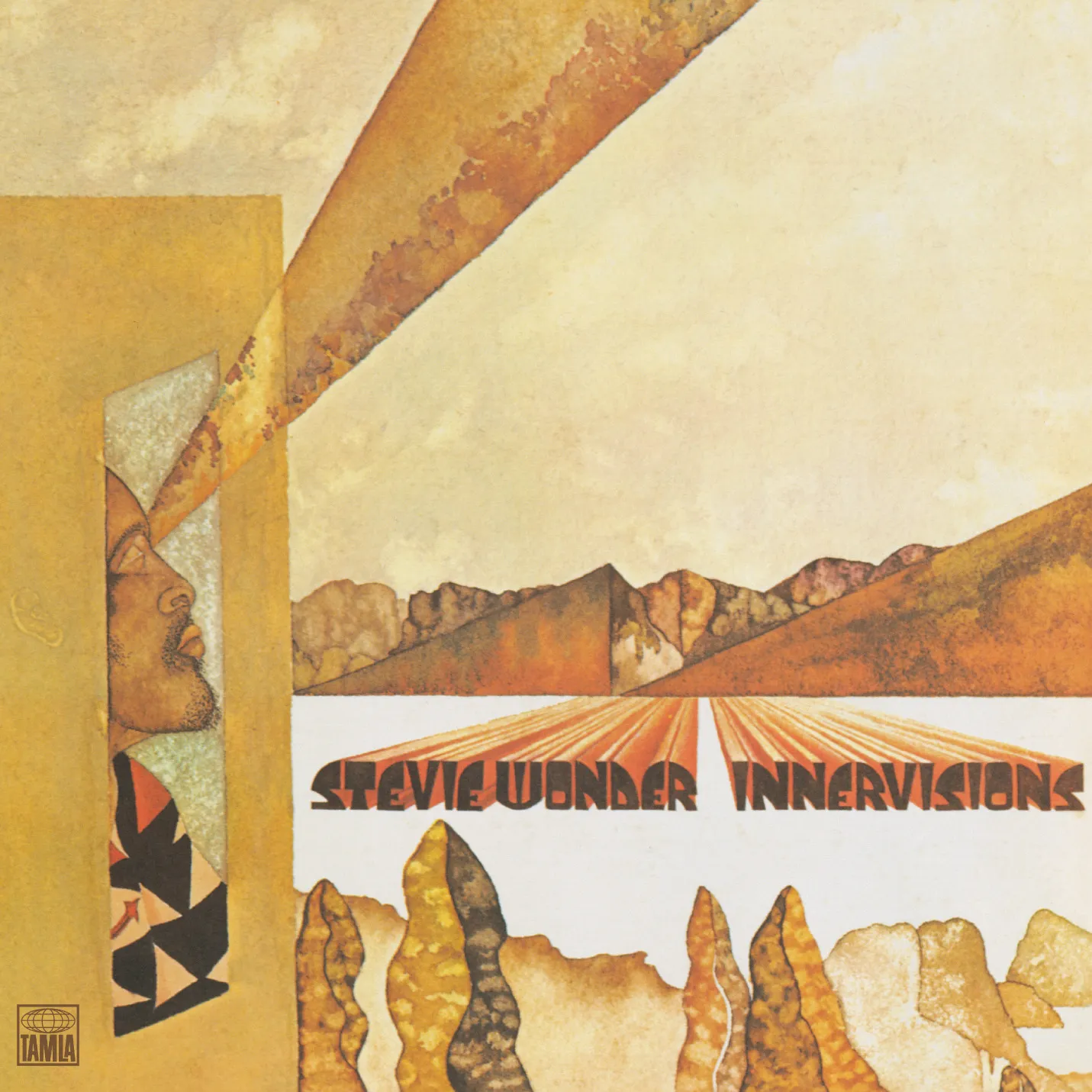
Innervisions
Album by Stevie Wonder, 1973
I would never admit that I have just one favourite Stevie Wonder record, because I don’t. Still, if I was to recommend only one, it would be Innervisions. Not only is the songwriting and harmonising nothing short of brilliant, but Stevie plays almost every instrument on every song. And that makes it even more surprising that the groove is that good throughout. This album, and his other albums from around the same time, place Stevie Wonder undoubtedly near the top of the ‘best composers of the 20th century’ list.
¶ Talking Book, 1972. ¶ Innervisions, 1973. ¶ Fulfillingness' First Finale, 1974. ¶ Songs in the Key of Life, 1976.
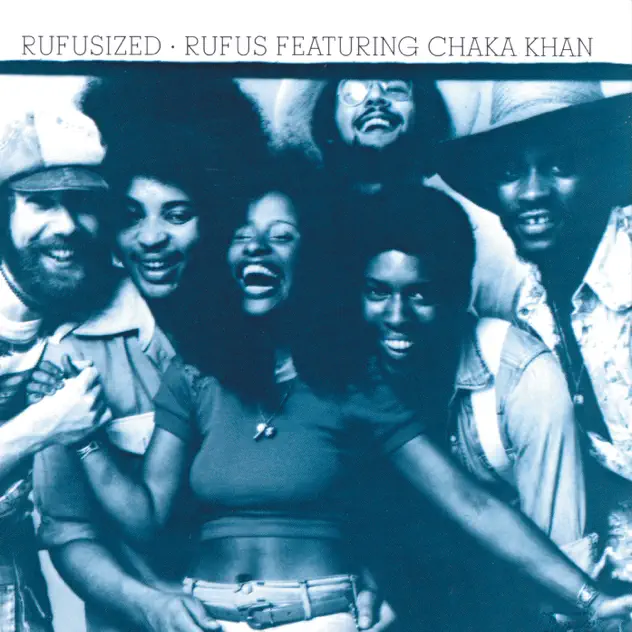
Rufusized
Album by Rufus and Chaka Khan, 1974
Rufusized is one of my favourite funk albums of all time. I’d like to say I equally love all the Rufus and Chaka Khan albums from the 70s, but this is the one I find myself coming back to most often. Impeccable groove throughout, and Chaka Khan makes a compelling case for best voice of the decade.
Favourite song: Somebody’s Watching You.
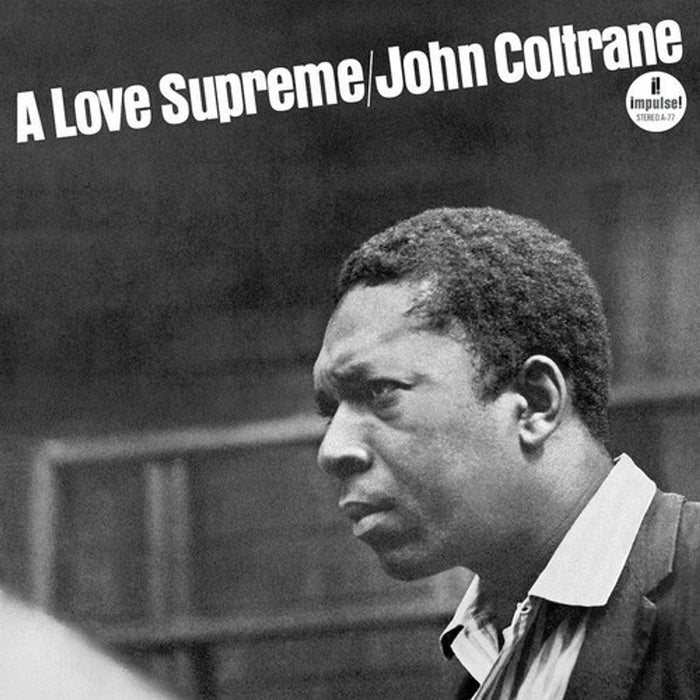
A Love Supreme
Album by John Coltrane, 1965
This album really stands in as a filler for all late Coltrane recordings (it’s too hard to choose just one). Still, this work is very meaningful to me, existing as an important part of my undisciplined and largely erratic spiritual practice. A Love Supreme is a persistent reminder to be grateful and free in my thinking and being. Musically, it is also transcendent and an evident reflection of the band’s collective search for freedom.
Favourite movement: Acknowledgement.
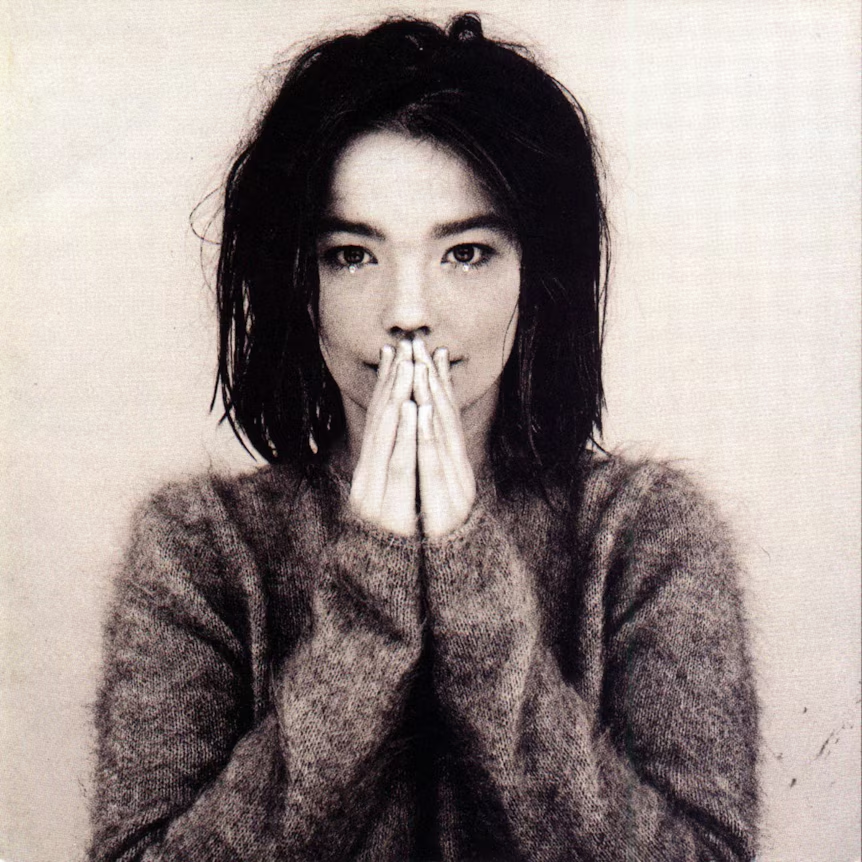
Debut
Album by Björk, 1993
To me this album is an absolutely timeless classic, even if it has some of that very identifiable early 90s electro-pop sound. There aren’t many (or any?) other albums out there that sound quite like this one though. It has a very alluring and quirky aura, with its mixture of club-dance, folk, jazz, and pop styling. Björk is my all time favourite singer and this is my favourite work of hers, by far, maybe because it played frequently at home when I was a kid.
Favourite songs: Big Time Sensuality, and Like Someone in Love.
My favourite music, books, and movies
updated September 2026
On these shelves you'll find some of my favourite music, books, and movies. Maybe you'll enjoy some of them too. I've included a short reflection on each item, and a link to where you can find it. (Scroll horizontally through each shelf to see more.)